
Gear Oil in Sudan: A Complete Guide to Types, Grades & Applications
Gear Oil in Sudan: A Complete Guide to Types, Grades, and Applications Discover More In the demanding and diverse climate of Sudan, from the arid

Ecol Lubricants
The relentless hum of Sudan’s industrial sector—from the vast agricultural plains of Al Jazirah to the bustling manufacturing hubs of Khartoum and the critical mining operations across the nation—is a symphony of progress. At the heart of every turning gear, every hydraulic press, and every powerful engine lies an unsung hero: industrial lubricants. The correct selection and application of oils and greases are not merely a maintenance task; they are a strategic imperative for operational efficiency, equipment longevity, and ultimately, profitability in the challenging Sudanese climate.
This ultimate guide delves into the critical world of industrial oils and greases in Sudan, providing a foundational understanding of product types, their applications, and the unique factors that define the Sudanese market. A key player committed to meeting these specific demands is Ecol Lubricants, a name synonymous with quality and reliability in the region’s lubrication sector.
Before exploring the market, it’s crucial to distinguish between the two primary categories of lubricants.
Industrial Oils are fluid lubricants designed to reduce friction, dissipate heat, transfer power, and protect against wear and corrosion. They are characterized by their viscosity, which is their resistance to flow. Key types include:
Industrial Greases are essentially oils suspended in a thickener (like lithium or calcium soap), combined with performance additives. This semi-solid structure allows them to stay in place where a liquid oil would leak out. They are ideal for:
The choice between oil and grease depends on factors like operating speed, temperature, load, and the need for sealing against contaminants like the pervasive Sudanese dust.
Sudan’s economy, with its strong base in agriculture, mining (gold, chromium), and a growing manufacturing sector, presents a unique set of challenges for lubrication.
These demanding conditions make the choice of lubricant supplier paramount. Companies that provide not just products but also technical support and solutions tailored to these environmental stressors offer immense value. This is where established entities like Ecol Lubricants have carved a significant niche, offering products formulated to withstand these very challenges.
In a market where equipment downtime translates directly to financial loss, the quality of lubrication is non-negotiable. Ecol Lubricants has emerged as a key contributor to Sudan’s industrial growth by addressing these precise needs. Their product range is engineered to deliver:
By focusing on these core performance features, Ecol Lubricants provides Sudanese industries with the reliability needed to maintain continuous operations and protect their valuable capital assets.
Choosing the correct oil or grease is a multi-step process:
Procuring the right lubricant is only half the battle. Proper handling and application are equally critical.
Verdict: Full synthetic is best for Sudan’s climate.
The lubricants industry is not static. Global trends are influencing the Sudanese market, driven by a need for greater efficiency and environmental consciousness.
| Brand & Grade | Key Features | Best For |
|---|---|---|
| Ecol Ultra Synthetic 10W-40 | ✔ Extreme heat resistance ✔ Enhanced dust protection ✔ Long drain intervals | Modern petrol & diesel engines |
| Mobil 1 5W-40 | ✔ Excellent turbo protection ✔ Low volatility | Performance cars, European models |
| Shell Helix HX7 10W-40 | ✔ Affordable synthetic blend ✔ Good sludge control | Budget-friendly synthetic option |
| Brand & Grade | Key Features | Best For |
|---|---|---|
| Ecol Heavy Duty 20W-50 | ✔ High-mileage protection ✔ Budget-friendly | Older cars, taxis, trucks |
| Castrol GTX 15W-40 | ✔ Good thermal stability ✔ Detergent additives | Diesel SUVs & pickups |
Selecting between mineral, semi-synthetic, and synthetic lubricants, or between different base oils and greases, is a critical economic and technical decision. The following breakdown and table provide a clear comparison to guide this choice.
Mineral Oils (Conventional)
Semi-Synthetic Oils
Full Synthetic Oils
Biodegradable / Bio-based Oils
Feature | Mineral Oil | Semi-Synthetic | Full Synthetic | Biodegradable (e.g., Plant-based) |
Initial Cost | Lowest | Moderate | Highest | Very High |
High-Temp Stability | Fair | Good | Excellent | Fair to Good |
Low-Temp Fluidity | Poor | Good | Excellent | Typically Good |
Oxidation Resistance | Fair | Good | Excellent | Fair (Can vary widely) |
Service Life / Drain Intervals | Shortest | Longer | Longest | Short to Moderate |
Volatility (Oil Consumption) | Higher | Lower | Lowest | Varies |
Environmental Impact | High | Moderate | Moderate (but persistent) | Low (Biodegradable) |
Best Suited For | Standard machinery, mild operating conditions, cost-sensitive applications. | Applications requiring a step up in performance without full synthetic cost. | Extreme temperatures, high-stress applications, extended drain goals. | Environmentally sensitive areas (forestry, mining near water, agriculture). |
Choosing a grease involves selecting the right consistency (NLGI Grade) and thickener type.
NLGI Grade (Consistency):
Thickener Type:
A supplier like Ecol Lubricants typically offers a range of greases with different thickeners, allowing them to provide a specific product recommendation—for example, a calcium sulfonate grease for a water pump bearing in an irrigation project or a lithium complex grease for a standard conveyor belt bearing.
In the demanding industrial environment of Sudan, lubricants are far more than simple commodities. They are a critical component of a holistic maintenance and reliability strategy. The analysis of pros, cons, and costs demonstrates that the cheapest option per liter is rarely the most economical in the long run. The wrong choice can lead to premature failure, unplanned downtime, and costly repairs.
The right choice—whether a robust mineral oil for a simple application or a high-performance synthetic fluid for a critical compressor—backed by sound practices and a technical partnership with a quality-focused supplier like Ecol Lubricants, is a strategic investment. This approach pays dividends in enhanced productivity, significantly reduced maintenance costs, and maximized equipment life, ensuring the machinery that powers Sudan’s economy operates at its peak for years to come.
Gear Oil in Sudan: A Complete Guide to Types, Grades, and Applications Discover More In the demanding and diverse climate of Sudan, from the arid
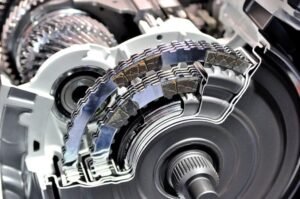
What Does Transmission Fluid In Sudan Mean and Is It Necessary? A Complete Guide Discover More For any vehicle owner or fleet operator in Sudan,
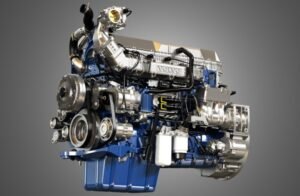
How to Choose the Most Durable Diesel Engine Oil for Sudan Discover More Introduction: The Critical Role of Specialized Lubrication in Sudan’s Harsh Environment In

Best Hydraulic Oils Sudan Construction Equipment: Powering Cranes and Excavators Discover More Sudan’s construction landscape is a dynamic arena of progress, where the relentless rhythm

Best Fuel Injector Cleaner for Sudanese Petrol – AutoCare Guide Discover More At AutoCare, we understand the heart of your vehicle—literally. Every sputter, every hesitant
Definitive Guide to Group III Base Oil Specifications in Sudan Discover More In the heart of Africa’s industrial and automotive landscape, Sudan’s lubricant market is