
Gear Oil in Sudan: A Complete Guide to Types, Grades & Applications
Gear Oil in Sudan: A Complete Guide to Types, Grades, and Applications Discover More In the demanding and diverse climate of Sudan, from the arid
In the vibrant, bustling heart of Sudan, from the dynamic streets of Khartoum to the resilient communities along the Nile, life is powered by motion and electricity. The unmistakable hum of a motorcycle weaving through traffic and the reassuring chug of a generator providing essential power are the soundtracks to daily life and commerce. At the core of these vital machines lies a single, critical component: the engine oil. For engines that require a 2-stroke oil mixture, selecting the correct lubricant is not merely a maintenance task; it is a decisive factor influencing performance, longevity, economy, and reliability.
Many Sudanese vehicle and generator owners often ponder whether any available 2-stroke oil is sufficient. The answer, forged in the harsh realities of the Sudanese climate—characterized by extreme heat, pervasive dust, and demanding operating cycles—is a resounding no. The right oil actively protects your investment, ensures peak performance under duress, and saves substantial money on costly repairs and fuel. This definitive guide is dedicated to providing a deep, technical understanding that will help you navigate the market and make an informed decision. We will delve into the science of lubrication, with a special focus on the significant benefits offered by high-performance formulations like Ecol Lubricants, a name synonymous with quality and engine protection.
To appreciate the importance of premium oil, one must first understand the unique and demanding nature of a 2-stroke engine. Unlike 4-stroke engines with a dedicated lubrication system, 2-stroke engines perform intake, compression, combustion, and exhaust in just two strokes of the piston. This elegant simplicity requires that the engine oil be pre-mixed with the fuel or injected directly into the intake stream. Consequently, the oil is not recirculated but is burned during the combustion process.
This “total-loss” lubrication system places immense stress on the oil’s formulation. It must accomplish several critical tasks in a very short time:
Lubricate: Coat the piston, cylinder wall, and crankshaft bearings to prevent metal-on-metal contact.
Clean: Hold contaminants and combustion by-products in suspension to prevent deposit formation.
Protect: Form a protective layer on components to prevent rust and corrosion during operation and downtime.
Burn Cleanly: Combust completely, leaving minimal ash and carbon residue.
In Sudan, these challenges are magnified. Extreme ambient temperatures cause engine oil to thin, potentially compromising its lubricating film strength. High levels of atmospheric dust can find its way into the engine, acting as an abrasive that accelerates wear. Furthermore, generators, in particular, often run for extended periods under constant, high-RPM load, a perfect storm for thermal breakdown and carbon accumulation.
Using a substandard oil in these conditions is a recipe for premature engine failure. The primary symptoms include:
Carbon Fouling: Incomplete combustion of low-quality oil leads to heavy carbon deposits on the piston crown, spark plug, and exhaust port (power valve systems). This acts as an insulator, causing engine overheating, pre-ignition (“knocking”), and a significant loss of power.
Piston Seizure: Inadequate lubrication under high heat causes the piston to expand excessively and weld itself to the cylinder wall, resulting in a catastrophic and costly engine seizure.
Ring Sticking: Carbon deposits can cause the piston rings to stick in their grooves, preventing them from sealing properly against the cylinder wall. This leads to a loss of compression, poor power output, and increased oil consumption.
Bearing Failure: The crankshaft bearings are lubricated solely by the oil mist from the fuel mixture. Inferior oil fails to protect these high-load components, leading to wear and eventual failure.
When evaluating options for your motorcycle or generator, you must become a discerning consumer and look beyond the price tag. The chemical composition of the oil determines its performance. Key attributes to understand include:
Base Oil Type: Mineral, Semi-Synthetic, or Full Synthetic
Mineral Oils: Derived directly from crude oil refining. They offer basic protection but have inconsistent molecular structures, leading to poorer high-temperature stability, higher deposit formation, and a lower tolerance for extreme conditions. They are generally the most affordable but least protective option.
Semi-Synthetic Oils: A blend of mineral and synthetic base oils. They offer a good balance of performance and cost, providing better cleanliness and protection than pure mineral oils.
Full Synthetic Oils: Chemically engineered to have uniform, robust molecules. This is the technology employed by premium brands like Ecol Lubricants. Synthetic oils provide superior film strength at high temperatures, exceptional resistance to thermal breakdown, and remarkably low deposit formation. They are specifically designed for high-performance and high-stress applications.
Additive Package: The Secret Sauce of Performance
The base oil is only part of the story. The additive package is a complex blend of chemicals that赋予 the oil its protective properties.
Detergents and Dispersants: These are crucial for engine cleanliness. Detergents prevent deposits from forming on hot surfaces like the piston, while dispersants surround and suspend contaminants, preventing them from clumping together and allowing them to be carried away and burned off during combustion. The advanced detergent technology in Ecol Lubricants is a key reason for its exceptional engine-cleaning capabilities.
Anti-Wear Agents: These compounds, such as Zinc Dialkyl Dithiophosphate (ZDDP), form a sacrificial layer on metal surfaces, preventing scuffing and wear under high load.
Corrosion Inhibitors: These protect steel and alloy components from rust and corrosion caused by moisture and acidic combustion by-products, which is vital for engine longevity, especially during periods of inactivity.
Solubilizers: Ensure the oil mixes evenly and remains in suspension within the fuel, preventing separation which could lead to oil-starved engine operation.
Low-Smoke Formulation
Older, low-grade 2-stroke oils produce excessive, visible blue smoke. This is not only a nuisance and an environmental pollutant but also an indicator of poor combustibility. Modern, high-performance oils like Ecol Lubricants are engineered with low-smoke technology, meaning they atomize and burn more completely. This results in cleaner exhaust, reduced spark plug fouling, and a less unpleasant odor—a significant benefit for both riders and those near operating generators.
To illustrate the real-world differences, let’s compare a typical mineral-based oil with a premium full-synthetic option like Ecol Lubricants.
| Feature | Conventional Mineral Oil | Premium Synthetic Oil (e.g., Ecol Lubricants) |
|---|---|---|
| Base Oil Technology | Refined crude oil; inconsistent molecules | Chemically engineered; uniform, robust molecules |
| High-Temperature Stability | Poor; thins out significantly, leading to reduced film strength | Excellent; maintains viscosity and lubricity under extreme Sudanese heat |
| Engine Cleanliness | Low; high tendency to form carbon and varnish deposits | Very High; advanced detergents keep piston and ring grooves clean |
| Wear Protection | Basic; minimal anti-wear additives | Superior; enhanced anti-wear agents protect critical components |
| Exhaust Smoke & Odor | High; incomplete combustion, strong odor | Low; clean-burning, minimal visible smoke and unpleasant smell |
| Fuel Efficiency | Lower; increased internal friction | Higher; reduced friction allows for more power from the same fuel |
| Engine Life Expectancy | Shorter; accelerated wear and deposit buildup | Significantly Extended; preserves compression and component integrity |
| Cost Perspective | Lower upfront cost | Higher upfront cost, but lower total cost of ownership due to reduced repairs and fuel savings |
Conventional Mineral Oil:
Pros: Widely available, lowest purchase price.
Cons: Poor performance in high heat, high carbon buildup, shorter engine life, increased smoke and odor, higher long-term running costs.
Premium Synthetic Oil (Ecol Lubricants):
Pros: Maximum engine protection and cleanliness, optimal for high-load and high-temperature use, extends engine life, improves fuel economy, low smoke, protects engine components from wear.
Cons: Higher initial purchase price per liter.
The choice becomes clear when viewed through the lens of total cost of ownership. The slightly higher initial investment in a premium synthetic oil like Ecol Lubricants pays for itself many times over by preventing a single major engine repair, not to mention the savings from improved fuel efficiency and the value of reliable performance.
The formulations developed by Ecol Lubricants are not just another option; they are engineered as a solution to the specific challenges faced in regions like Sudan. The advanced full-synthetic technology provides a level of protection that is simply unmatched by conventional oils.
For the Sudanese motorcyclist, this translates into tangible benefits. The exceptional film strength of Ecol Lubricants ensures that engine components are shielded from wear during the high-RPM acceleration common in city traffic and on long, hot journeys. Riders will notice smoother throttle response, consistent power delivery from low to high RPMs, and the profound peace of mind that comes from knowing the engine is protected against seizure and excessive wear. The low-smoke formulation also means a more enjoyable ride without a cloud of blue smoke trailing behind.
For generator users, the superior detergency and dispersancy of Ecol Lubricants are nothing short of a game-changer. Generators are often the lifeline for homes and businesses during power outages, running for many hours at a constant, high-RPM load. This sustained operation is a primary cause of carbon buildup with inferior oils. Ecol Lubricants actively cleans the engine as it runs, preventing deposit formation that leads to overheating, power loss, and unstable voltage output. This ensures your generator provides reliable and stable power to protect sensitive electronics like refrigerators, fans, and medical equipment. The enhanced corrosion protection is also critical for generators that may sit for periods between uses, safeguarding the internal bearings and crankshaft from humidity-induced rust.
Using the right oil is only half the battle; proper handling is critical to achieving the promised performance.
1. Determining the Correct Mixing Ratio:
Always consult your owner’s manual. This is the most important step. The manufacturer knows what ratio your engine was designed for.
Common ratios are:
1:50 (2% oil): Common for modern, high-performance motorcycles and equipment.
1:40 (2.5% oil): A balanced ratio for many generators and older motorcycles.
1:33 (3% oil): Often used for older engines or under extreme load conditions.
Never guess the ratio. An overly rich mixture (too much oil) will cause excessive smoke, spark plug fouling, and carbon buildup. An overly lean mixture (too little oil) is far more dangerous and will lead to insufficient lubrication and rapid engine seizure.
2. The Mixing Procedure:
Use a Dedicated Measuring Bottle: Never estimate using a bottle cap or other imprecise method. Use a clear, graduated mixing bottle to ensure absolute accuracy.
Mix in a Separate Fuel Can: Always add the correct amount of oil to a clean, dedicated fuel can first, then add the petrol. This sequence allows for more thorough mixing as the petrol stream agitates the oil. Securely close the cap and shake the container vigorously for 30 seconds to ensure a homogenous mixture.
Label Your Fuel Can: Clearly mark the can with the fuel-oil ratio and the date it was mixed.
3. Storage and Safety:
Use Fresh Fuel: Petrol begins to degrade and oxidize within a few weeks. Oxidized fuel can form varnish and gums that clog carburetor jets. Mix only the amount of fuel you expect to use within one month.
Store Properly: Keep mixed fuel in a cool, dark, and well-ventilated place, away from direct sunlight and any source of ignition. Use a metal container if possible for added safety.
In a country where motorcycles and generators are not merely conveniences but essential pillars of daily life, mobility, and economic activity, compromising on engine protection is a risk one simply cannot afford. The choice of 2-stroke oil is one of the most critical decisions an owner can make, with a direct and profound impact on the mechanical health of the engine, long-term operating costs, and overall satisfaction.
While several brands are available in the Sudanese market, opting for a technically advanced, reliable, and clean-burning option like Ecol Lubricants is the wisest and most economical decision for the discerning owner. The initial marginally higher cost is dramatically offset by the profound, long-term benefits: significantly extended engine life, superior and consistent power output, enhanced fuel efficiency, and unparalleled operational reliability.
Protect your motorcycle, empower your generator, and fuel your journey with confidence by choosing a 2-stroke oil that is genuinely engineered for the challenge. Make the intelligent switch to a premium, full-synthetic formulation like Ecol Lubricants and experience the tangible difference that true quality and advanced engineering make. Your engine—and your wallet—will thank you for years to come.
Gear Oil in Sudan: A Complete Guide to Types, Grades, and Applications Discover More In the demanding and diverse climate of Sudan, from the arid
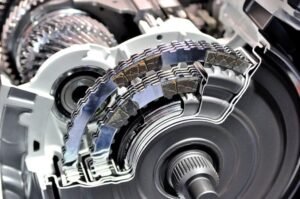
What Does Transmission Fluid In Sudan Mean and Is It Necessary? A Complete Guide Discover More For any vehicle owner or fleet operator in Sudan,
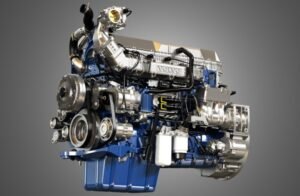
How to Choose the Most Durable Diesel Engine Oil for Sudan Discover More Introduction: The Critical Role of Specialized Lubrication in Sudan’s Harsh Environment In

Best Hydraulic Oils Sudan Construction Equipment: Powering Cranes and Excavators Discover More Sudan’s construction landscape is a dynamic arena of progress, where the relentless rhythm

Best Fuel Injector Cleaner for Sudanese Petrol – AutoCare Guide Discover More At AutoCare, we understand the heart of your vehicle—literally. Every sputter, every hesitant

Definitive Guide to Group III Base Oil Specifications in Sudan Discover More In the heart of Africa’s industrial and automotive landscape, Sudan’s lubricant market is