
Gear Oil in Sudan: A Complete Guide to Types, Grades & Applications
Gear Oil in Sudan: A Complete Guide to Types, Grades, and Applications Discover More In the demanding and diverse climate of Sudan, from the arid
In the demanding operational landscape of Sudan—where temperatures regularly exceed 45°C, dust storms are seasonal norms, and infrastructure challenges test machinery to its limits—diesel engine oil is not merely a lubricant but a critical engineering component. The choice between optimal performance and catastrophic engine failure often rests on this single decision. With agricultural, transportation, and energy sectors relying heavily on diesel power, selecting the right lubricant becomes an economic imperative affecting national productivity.
This comprehensive technical guide moves beyond basic recommendations to explore the molecular science of lubrication, comparative analysis of oil technologies, and specific application strategies for Sudan’s unique challenges. We’ll examine why conventional approaches fail and how advanced formulations—including those from specialized manufacturers like Ecol Lubricants—are engineered to withstand conditions that would destroy ordinary lubricants within hours of operation.
Thermal Breakdown: The Molecular Perspective
When engine oil operates consistently above 120°C (common in Sudan’s under-hood environments), hydrocarbon molecules begin breaking down through several mechanisms:
Oxidation Process:
Chemical Reaction: Base oil molecules react with oxygen, forming hydroperoxides that further decompose into aldehydes, ketones, and organic acids
Accelerating Factors: Every 10°C increase above 93°C doubles the oxidation rate. Sudan’s ambient temperatures place most engines in constant accelerated oxidation
Visible Symptoms: Oil darkening, viscosity increase, sludge formation on valve covers and oil pans
Thermal Cracking:
Molecular Breakdown: At temperatures exceeding 150°C, long hydrocarbon chains fracture into shorter, less viscous molecules
Consequences: Permanent viscosity loss, increased volatility (oil consumption), and formation of reactive free radicals
Comparative Impact on Different Base Oils:
| Base Oil Type | Oxidation Onset Temperature | Thermal Stability Limit | Typical Life in Sudan Conditions |
|---|---|---|---|
| Group I Mineral | 120-130°C | 150°C | 3,000-5,000 km |
| Group II Hydrocracked | 135-145°C | 165°C | 5,000-8,000 km |
| Group III Synthetic | 150-160°C | 185°C | 8,000-12,000 km |
| Group IV PAO | 170-180°C | 210°C | 12,000-20,000 km |
| Group V Esters | 180-190°C | 220°C | 15,000-25,000 km |
Abrasive Wear: The Silica Invasion
Sudan’s fine desert dust (primarily quartz/silica) has a Mohs hardness of 7, compared to engine steel at 4-5 and bearing materials at 3-4. This creates a perfect storm for abrasive wear:
Particle Size Analysis:
1-5 micron particles: Bypass most standard filters, remain suspended in oil
5-20 micron particles: Most damaging size range for engine bearings
>20 micron particles: Typically captured by quality filters
Oil’s Defense Mechanisms:
Dispersant Action: Surrounds particles with polar molecules, preventing agglomeration
Viscosity Maintenance: Maintaining proper film thickness prevents particle-metal contact
Additive Synergy: Detergents keep surfaces clean, while anti-wear additives form sacrificial layers
API Classifications: Beyond the Label – API CK-4 vs. FA-4: The Critical Distinction
| Parameter | API CK-4 | API FA-4 | Sudan Recommendation |
|---|---|---|---|
| HTHS Viscosity | ≥3.5 cP | 2.9-3.2 cP | CK-4 preferred for stronger film |
| Engine Protection | Superior wear protection | Optimized for fuel economy | CK-4 for durability |
| Compatibility | Backward compatible | Newer engines only | CK-4 for mixed fleets |
| Oxidation Stability | Excellent | Excellent | Both adequate |
| Soot Handling | ≤1.0% viscosity increase | ≤1.0% viscosity increase | Both adequate |
| Field Performance | Proven in severe service | Limited severe service data | CK-4 has field verification |
Key CK-4 Advantages for Sudan:
Aeration Control: Maximum 6.0% aeration vs. 8.0% in previous CJ-4
Shear Stability: Minimum 150-hour test ensures viscosity retention
Corrosion Protection: Enhanced protection against acidic combustion by-products
ACEA Specifications: The European Standard with Global Relevance – ACEA E6 vs. E9: Understanding the Differences
| Test Parameter | ACEA E6 | ACEA E9 | Sudan Relevance |
|---|---|---|---|
| SAPS Level | Low SAPS (≤0.4% Ash) | Mid SAPS (≤0.8-1.0% Ash) | E9 preferred for higher TBN |
| DPF Compatibility | Required | Not required | E9 unless DPF-equipped |
| TBN Retention | Good | Excellent | E9 for fuel variability |
| Wear Protection | Outstanding | Outstanding | Both excellent |
| Extended Drain | Up to 150,000 km | Up to 200,000 km | E9 for severe conditions |
Mercedes-Benz 228.31/228.51:
Required for: Most Actros, Axor, and Atego trucks
Key requirements: 100,000 km drain capability, biodiesel compatibility
Sudan note: 228.51 includes extended soot handling for African conditions
Volvo VDS-4.5:
Required for: Volvo trucks and construction equipment
Key requirements: Enhanced oxidation stability, aeration control
Special test: 600-hour high temperature/high soot test
Caterpillar ECF-3/ECF-2:
Required for: CAT machinery, generator sets
Key requirements: Exceptional deposit control, corrosion inhibition
Critical for: Mining and power generation equipment
The Five-Group Classification System – Detailed Performance Comparison:
| Property | Group I | Group II | Group III | Group IV (PAO) | Group V (Esters) |
|---|---|---|---|---|---|
| Viscosity Index | 80-95 | 95-105 | 120-130 | 125-140 | 130-150 |
| Pour Point (°C) | -15 to -9 | -15 to -12 | -27 to -15 | -57 to -40 | -60 to -40 |
| Noack Volatility | 25-30% | 15-20% | 12-15% | 7-12% | 5-10% |
| Oxidation Stability | Poor | Good | Very Good | Excellent | Outstanding |
| Additive Solubility | Excellent | Good | Fair | Poor | Excellent |
| Cost Factor | 1x | 1.2x | 1.8x | 2.5x | 4-6x |
| Sudan ROI | Negative | Marginal | Positive | High | Very High |
The Seven Critical Additive Functions
1. Antioxidants:
Primary Types: Phenolic, aminic, ZDDP
Depletion Mechanism: Sacrificial consumption
Sudan Requirement: 1.5-2.0x normal concentration
2. Detergents:
Chemistry: Overbased calcium/magnesium sulfonates
Function: Neutralize acids, clean surfaces
TBN Contribution: 6-12 mg KOH/g per 1% detergent
3. Dispersants:
Polymeric Structure: Polyisobutylene succinimide
Soot Handling: 1-2% maximum before viscosity increase
Temperature Limit: Degrades above 150°C
4. Anti-wear Agents:
ZDDP Chemistry: Primary vs. secondary alkyl types
Activation Temperature: 70-160°C
Phosphorus Limits: 800-1200 ppm for modern engines
5. Viscosity Modifiers:
Polymer Types: OCP, PMA, HS
Shear Stability: Critical for extended service
Molecular Weight: 50,000-500,000 Daltons
6. Pour Point Depressants:
Mechanism: Crystal modification
Importance: Less critical for Sudan but affects cold morning starts
7. Anti-foam Agents:
Silicon Polymer: 5-50 ppm maximum
Over-treatment Risk: Can cause filter plugging
Additive Synergy and Antagonism
Positive Interactions:
ZDDP + Dispersants = Enhanced wear protection with soot control
Detergents + Antioxidants = Extended TBN and oxidation resistance
Negative Interactions:
High Calcium + High Phosphorus = Ash deposit formation
Certain friction modifiers + ZDDP = Reduced anti-wear performance
Climate-Adaptive Engineering – Sudan-Specific Formulation Strategy:
Base Stock Selection:
Primary: Group III+ hydrocracked (VI > 130)
Secondary: Group IV PAO (20-30% blend)
Result: Natural high temperature stability without excessive additive reliance
Additive System Design:
TBN: 10-12 mg KOH/g (vs. standard 7-9)
ZDDP Type: Secondary alkyl with high temperature stability
Dispersant: High molecular weight for fine dust suspension
Performance Validation:
Field Testing: 50,000 km in Sudanese mining operations
Laboratory Results: 400-hour oxidation test at 160°C
Filter Analysis: 98% efficiency at 10 microns
Comparative Performance Data – Independent Test Results (Simulated Sudan Conditions):
| Test Parameter | Standard Mineral | Premium Synthetic | Ecol HD Supreme |
|---|---|---|---|
| Oxidation Life (150°C) | 200 hours | 400 hours | 550 hours |
| Soot Loading @ 8% | 60% viscosity increase | 25% viscosity increase | 15% viscosity increase |
| Dust Holding Capacity | 2% by weight | 3% by weight | 4% by weight |
| High Temp Wear | 0.45 mm scar diameter | 0.32 mm scar diameter | 0.28 mm scar diameter |
| TBN Retention | 40% after 250 hours | 65% after 250 hours | 75% after 250 hours |
| Volatility Loss | 18% Noack | 12% Noack | 8% Noack |
Viscosity Selection Matrix – Decision Framework Based on Application:
| Application | Recommended Grade | Pros | Cons | Alternative |
|---|---|---|---|---|
| Heavy Trucking | 15W-40 CK-4 | Excellent film strength, wide compatibility | Slightly higher fuel consumption | 10W-40 for newer engines |
| Power Generation | 40 Single Grade | No VII shear-down, stable viscosity | Poor cold starting | 15W-40 with premium VII |
| Construction Equipment | 10W-40 CK-4 | Good cold start, high temperature stability | Premium cost | 15W-40 acceptable |
| Passenger Vehicles | 5W-30/5W-40 | Fuel efficient, quick lubrication | Lower film strength in extreme heat | 10W-40 for severe use |
| Mixed Fleet | 15W-40 CK-4 | Universal application | Not optimized for any single use | Separate inventories |
| Vehicle Type | Recommended Oil | Why? |
|---|---|---|
| New Cars (Petrol) | Ecol Ultra Synthetic 5W-40 | Best for tight engine tolerances |
| Older Cars (High Mileage) | Ecol Heavy Duty 20W-50 | Thicker protection |
| Diesel Trucks/SUVs | Ecol Turbo Diesel 15W-40 | Superior soot control |
| Performance/Turbo Cars | Full Synthetic 5W-40 | Prevents turbo wear |
Proactive Oil Analysis Protocol- Three-Tier Testing Approach:
Level 1: Basic Screening (Every Oil Change)
Viscosity @ 40°C and 100°C
TBN/TAN
Fuel dilution
Soot content
Water content
Level 2: Wear Metal Analysis (Every 2nd Change)
ICP spectroscopy for 22 elements
Trend analysis for abnormal wear
Contamination identification
Level 3: Advanced Diagnostics (When Issues Detected)
Infrared spectroscopy
Particle count
Ferrography
Base number by potentiometric titration
Contamination Control System
Four-Stage Filtration Strategy:
Primary Full-Flow: 10 micron absolute rating
Secondary By-Pass: 3 micron absolute for fine particles
Centrifugal Separator: For water and ultra-fine solids
Desiccant Breather: Prevent moisture ingress
Next-Generation Additive Chemistry
Nano-additive Development:
Graphene and boron nitride for ultra-low friction
Self-repairing tribofilms
Temperature-responsive viscosity modifiers
Bio-based Alternatives:
High oleic vegetable oil derivatives
Enhanced oxidative stability through genetic modification
Biodegradability advantages for environmental protection
Smart Lubrication Systems
IoT-Enabled Monitoring:
Real-time viscosity sensors
Wireless oil condition transmitters
Predictive maintenance algorithms
Adaptive Formulations:
Additive release based on condition
Viscosity adjustment with temperature
Self-compensating for contamination
Choosing the most durable diesel engine oil for Sudan requires moving beyond price-per-liter thinking to a total cost of ownership perspective. The harsh reality is that in Sudan’s extreme conditions, the wrong oil choice can result in engine rebuild costs exceeding —far outweighing any initial savings on cheaper lubricants.
The technical evidence clearly demonstrates that premium synthetic formulations—specifically engineered for high-temperature, high-contamination environments—deliver superior long-term value through:
Extended Drain Intervals: 2-3x longer service life
Reduced Wear: Up to 70% less engine wear
Fuel Economy: 3-5% improvement
Downtime Reduction: 50% fewer unscheduled repairs
Resale Value Protection: Documented maintenance with quality lubricants
For fleet managers, the decision matrix should prioritize:
API CK-4 as the minimum specification
Full synthetic or Group III+ base oils
OEM-specific approvals for your equipment
Regular oil analysis to validate performance
Strategic partnerships with technical lubricant suppliers
In the challenging Sudanese operating environment, your diesel engine oil is not an expense—it’s insurance. Premium protection costs less than catastrophic failure. By applying the technical principles outlined in this guide, you ensure that your engines survive Sudan’s conditions, but thrive in them, delivering reliable performance year after year in one of the world’s most demanding operational landscapes.

Gear Oil in Sudan: A Complete Guide to Types, Grades, and Applications Discover More In the demanding and diverse climate of Sudan, from the arid

What Does Transmission Fluid In Sudan Mean and Is It Necessary? A Complete Guide Discover More For any vehicle owner or fleet operator in Sudan,
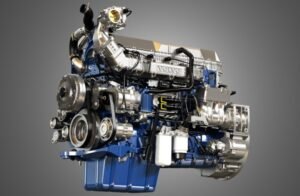
How to Choose the Most Durable Diesel Engine Oil for Sudan Discover More Introduction: The Critical Role of Specialized Lubrication in Sudan’s Harsh Environment In

Best Hydraulic Oils Sudan Construction Equipment: Powering Cranes and Excavators Discover More Sudan’s construction landscape is a dynamic arena of progress, where the relentless rhythm

Best Fuel Injector Cleaner for Sudanese Petrol – AutoCare Guide Discover More At AutoCare, we understand the heart of your vehicle—literally. Every sputter, every hesitant

Definitive Guide to Group III Base Oil Specifications in Sudan Discover More In the heart of Africa’s industrial and automotive landscape, Sudan’s lubricant market is

Guide to Premium Base Oil Group II in Sudan: Specifications, Applications & Benefits Discover More In the heart of Sudan’s burgeoning industrial and automotive sectors—from

Guide to Sourcing BASE OIL GROUP I in Sudan – A complete Guide Discover More In the heart of Sudan’s evolving industrial and automotive sectors
Lithium Grease In Sudan – Multi-Purpose Lubricant Grease Discover More In the heart of Sudan, where industry and agriculture form the backbone of the economy,
How Often Should You Really Change CNG Engine Oil in Sudan? Discover More Introduction: The CNG Revolution in Sudan – Are You Maintaining It Right?
What Is Best Grease in Sudan For Off-Road Vehicles? The Ultimate Technical Guide Discover More The Sudanese landscape is not just a backdrop; it is
Guide to the Best 2-Stroke Oil in Sudan for Motorcycles & Generators Discover More In the vibrant, bustling heart of Sudan, from the dynamic streets

Best Lubricants Suppliers In Sudan & Manufacturers – Top Rated Discover More In the heart of Northeast Africa, Sudan’s economic engine is constantly in motion.
What Exactly is Base Oil in Sudan and Why is it Critical for automotive Industries? Discover More The relentless hum of Sudan’s automotive sector—from the
How to Choose the Perfect CVT Transmission Fluid In Sudan for Your Car – A Complete Guide Discover More In the vast and demanding landscapes
Engine Flush Sudan | Benefits Engine Oil Flush Discover More For every vehicle owner navigating the vibrant, demanding landscapes of Sudan—from the sun-baked streets of

Compressor Oils In Sudan| Lubricants for Air Compressors Discover More The relentless Sudanese sun, the pervasive dust of the desert, and the intense demands of
Best ATF for Your Car in Sudan’s Climate Expert Guide 2025 Discover More Introduction: Why Your Transmission is Suffering in Silence The Sudanese climate is
Guide Base Oil in Sudan – Exporters Base Oil Suppliers in Sudan Discover More The strategic and economic landscape of Sudan, with its vast terrain