Definitive Guide to Group III Base Oil Specifications in Sudan

In the heart of Africa’s industrial and automotive landscape, Sudan’s lubricant market is undergoing a significant transformation. The demand for higher-performance, longer-lasting, and more environmentally responsible lubricants is driving a shift from traditional mineral oils to sophisticated synthetic and hydrocracked base stocks. At the forefront of this evolution are Group III base oils, a category of high-quality, very high viscosity index (VHVI) oils produced through severe hydrocracking. This definitive guide explores the intricate specifications, applications, and regulatory landscape for Group III base oils in Sudan, providing crucial insights for blenders, distributors, and industrial end-users. As market leaders like Ecol Lubricants advance the adoption of these premium fluids, understanding their technical benchmarks becomes essential for navigating Sudan’s competitive and quality-conscious market.

Understanding Base Oil Group Classifications: The Foundation

To appreciate the significance of Group III oils, one must first understand the American Petroleum Institute (API) base oil categorization system, which classifies oils into five groups based on their saturation level, sulfur content, and viscosity index (VI).

  • Group I: Solvent-refined mineral oils with low saturates and high sulfur. They have a VI between 80-120. These are conventional base oils.

  • Group II: Hydroprocessed mineral oils with higher saturates and lower sulfur (>90% saturates, <0.03% sulfur). They have a VI between 80-120. They offer better oxidation stability and clearer color than Group I.

  • Group III: Severely hydrocracked base oils with very high saturates (>90%) and very low sulfur (<0.03%). They possess a Viscosity Index above 120. Produced from unconventional feedstocks, their molecular structure is so highly refined that they are often marketed as synthetic or semi-synthetic hydrocarbons. This is the focal group for Sudan’s high-tier market.

  • Group IV: Full Polyalphaolefin (PAO) synthetic base oils, chemically engineered for exceptional performance across extreme temperatures.

  • Group V: All other base oils not covered in Groups I-IV, including esters, naphthenics, and PAGs.

Group III’s Value Proposition: Group III base oils bridge the performance gap between conventional mineral oils and full synthetics (PAOs). They offer superior oxidation stability, excellent low-temperature fluidity, high VI for minimal viscosity change with temperature, and lower volatility—all at a more competitive cost point than Group IV PAOs. This makes them the ideal cornerstone for formulating modern, high-performance engine oils (like SN/SP, CK-4, FA-4), premium industrial hydraulic fluids, and advanced gear oils.

Key Specifications and Benchmarks for Group III Base Oils

The quality of a Group III base oil is defined by a set of critical physical and chemical parameters. In Sudan, importers and blenders must rigorously verify these specifications through certified labs to ensure product integrity and final formulation performance.

  1. Viscosity Index (VI): The most defining characteristic. A VI above 120 (typically 120-140) indicates minimal change in viscosity with temperature fluctuations, ensuring reliable lubrication in Sudan’s hot climates and during cold starts.

  2. Saturates Content: Exceeds 90%, often reaching 99%+. Higher saturates mean fewer unstable, reactive molecules, leading to dramatically improved oxidation stability and extended oil drain intervals—a key selling point for fleet operators.

  3. Sulfur Content: Extremely low, <0.03%. Low sulfur reduces acid formation and corrosion, protects exhaust after-treatment systems in modern vehicles, and enhances the effectiveness of additive packages.

  4. Volatility (NOACK Evaporation Loss): Measured by the Noack test (ASTM D5800), high-quality Group III oils exhibit low evaporation loss (typically <13% for 4 cSt grades). This reduces oil consumption, maintains viscosity, and minimizes emissions.

  5. Pour Point: An indicator of low-temperature performance. Group III oils have exceptionally low pour points (often below -30°C to -40°C), ensuring pumpability and instant lubrication in cooler regions or during seasonal shifts.

  6. Oxidation Stability: Assessed via tests like RBOT (ASTM D2272). Their highly saturated structure grants exceptional resistance to thermal and oxidative breakdown, preventing sludge and varnish formation.

Market Dynamics and Supply Chain for Group III Base Oils in Sudan

Sudan does not currently have domestic Group III base oil production. The supply is entirely dependent on imports, creating a complex but dynamic supply chain.

  • Primary Sources: Major imports originate from the Middle East (notably the UAE, Saudi Arabia, and Qatar where giants like ADNOC, BAPCO, and QP operate world-scale Group III hydrocrackers), Northeast Asia (South Korea, Singapore), and increasingly from Russian and European producers.

  • Logistics & Challenges: Importation occurs primarily via Port Sudan, with subsequent distribution to blending plants in Khartoum and key industrial hubs. Challenges include foreign currency availability, logistical delays, and maintaining cold-chain integrity for certain specialty grades. Reliable partnerships with international suppliers and local logistics experts are paramount.

  • The Role of Advanced Blenders: Progressive companies are leveraging Group III oils to create value-added products. For instance, Ecol Lubricants utilizes high-purity Group III base stocks as a foundation for its synthetic-technology lubricants, targeting Sudan’s mining, agriculture, and transportation sectors that demand extended drain capabilities and equipment protection in harsh conditions.

Applications and Formulations in the Sudanese Context

Group III base oils are versatile and serve as the backbone for a wide range of high-tier lubricants crucial for Sudan’s development.

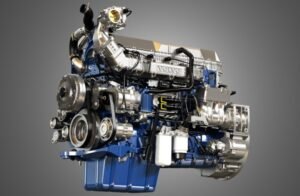
  • Automotive Engine Oils: Essential for formulating API SP/SN-Plus gasoline oils and API CK-4/FA-4 diesel oils. These specifications require the superior oxidation stability and low volatility that Group III provides, ensuring engine cleanliness, fuel economy, and protection for modern, low-emission engines found in new vehicle imports.

  • Industrial & Hydraulic Oils: Used in high-performance hydraulic systems (ISO HM, HV), gear oils, and compressor oils for Sudan’s sugar plants, cement factories, and gold mining operations. Their high VI and thermal stability ensure reliable operation under heavy loads and high ambient temperatures.

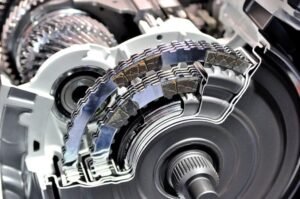
  • Specialty Lubricants: Formulating metalworking fluids, certain greases, and transmission fluids (ATF, DCTF) where a high VI and clean base stock are advantageous.

Regulatory Environment and Quality Assurance

While Sudan’s lubricant standards are evolving, adherence to international specifications is critical for market credibility and export potential.

  • Local Standards: The Sudanese Standards and Metrology Organization (SSMO) provides guidelines, but the market largely references international OEM approvals (Mercedes-Benz, Volvo, MAN) and API/ACEA specifications. Blenders must ensure their Group III-based formulations meet the stated performance claims through rigorous testing.

  • Import Compliance: Documentation including Certificate of Analysis (CoA), Material Safety Data Sheet (MSDS), and proof of origin are mandatory for customs clearance. The CoA must explicitly confirm the API Group classification and key specs (VI, Sulfur, Saturates).

  • Quality Assurance: Leading suppliers implement stringent QA protocols. Reputable blenders like Ecol Lubricants invest in in-house laboratory testing (for viscosity, flash point, pour point) and often utilize third-party verification to guarantee that the imported Group III base oil and the finished lubricant meet the promised performance benchmarks, building trust in a competitive market.

Future Outlook and Strategic Recommendations

The future of Group III base oils in Sudan is intertwined with economic growth, technological adoption, and environmental awareness.

  • Trends: Expect increased demand driven by stricter emission norms for imported vehicles, growth in sophisticated machinery, and a push for operational efficiency through extended drain intervals. The trend towards energy-efficient lubricants (fuel economy oils) will further propel Group III adoption.

  • Sustainability Link: Group III base oils, with their long service life and potential for re-refining, align with global circular economy principles. Their role in enabling low-viscosity engine oils contributes to reduced fuel consumption and lower CO2 emissions—a growing consideration for multinational companies operating in Sudan.

  • Strategic Advice for Stakeholders:

    • For Blenders: Forge direct relationships with reputable Group III producers. Invest in blending technology and quality control to fully exploit the performance benefits of these premium base stocks. Highlight the synthetic-like performance in marketing, as demonstrated by industry pioneers.

    • For End-Users: Prioritize lubricants formulated with high-quality base oils for critical equipment. Consider Total Cost of Ownership (TCO)—while premium lubricants have a higher upfront cost, they reduce downtime, fuel consumption, and component wear. Seek out technically proficient suppliers who can provide verifiable product data and application support.

Conclusion: Embracing a Higher Standard

The adoption of Group III base oils represents a significant step forward for Sudan’s lubricants industry, aligning it with global performance and efficiency standards. These highly refined hydrocarbons are not merely a commodity but a strategic component for building reliable, durable, and efficient industrial and transportation sectors. As the market matures, success will belong to those who master the specifications, secure robust supply chains, and commit to uncompromising quality. By leveraging the advanced properties of Group III base oils, Sudanese lubricant companies, including forward-thinking blenders like Ecol Lubricants, are well-positioned to deliver superior protection for the nation’s assets and drive sustainable growth in an increasingly demanding technological landscape. Understanding this definitive guide is the first step towards capitalizing on that opportunity.