Gear Oil in Sudan: A Complete Guide to Types, Grades & Applications
Gear Oil in Sudan: A Complete Guide to Types, Grades, and Applications Discover More In the demanding and diverse climate of Sudan, from the arid
For every vehicle owner navigating the vibrant, demanding landscapes of Sudan—from the sun-baked streets of Omdurman to the long, arid corridors connecting Port Sudan to the capital—the car is an indispensable partner in daily life. It’s a testament to resilience. However, the very environment that defines Sudan—the extreme heat, the fine, abrasive dust (known as haboob), and the punishing stop-start urban traffic—creates a perfect storm for engine stress. In such conditions, routine maintenance transcends mere recommendation; it becomes a critical practice for survival and performance. Within this maintenance spectrum, few topics generate as much discussion as the engine flush.
Is it a vital prophylactic treatment or a potentially risky cosmetic procedure? This definitive guide moves beyond the surface, offering a deep, scientific, and contextually relevant exploration of engine flushing for the Sudanese driver. We will dissect its profound benefits, outline a meticulous procedure, and provide a balanced view of its advantages and limitations, empowering you to make an informed decision for your vehicle’s health.
To appreciate the value of an engine flush, one must first understand the nature of the enemy it is designed to combat. Engine oil is the lifeblood of your vehicle, but it is not immortal. Its primary functions—lubrication, cooling, cleaning, and corrosion inhibition—are gradually undermined by a relentless assault of contaminants.
The Genesis of Sludge: A Chemical Breakdown
The primary culprit is engine sludge, a thick, tar-like substance that can coat internal components. Its formation is a process of polymerization and oxidation, accelerated exponentially by the Sudanese climate.
Oxidation: Engine oil is a hydrocarbon-based fluid. Under intense heat—a constant factor in Sudan—these hydrocarbon molecules react with oxygen. This reaction breaks down the oil’s molecular structure, forming acids and solid deposits. The higher the temperature, the faster this oxidation occurs. The high thermal stress on engines in Sudan means oil oxidizes much more quickly than in temperate climates.
Contamination: The oil is continuously contaminated by:
Soot: A byproduct of incomplete combustion, especially prevalent in city driving with frequent idling.
Fuel Dilution: Unburned fuel leaks past piston rings into the oil sump, thinning the oil and reducing its lubricity.
Water Condensation: Short trips prevent the engine from fully heating up, leading to water condensation that mixes with oil, forming a corrosive emulsion.
Metallic Particulates: Microscopic shavings from normal wear and tear of components like camshafts, bearings, and piston rings.
Dust and Silica: The pervasive dust of Sudan is exceptionally abrasive. Even the best air filters can allow fine silica particles to enter the combustion chamber and, eventually, the oil stream.
Polymerization: When oxidized oil mixes with these contaminants—particularly soot and water—under high heat and pressure, it undergoes a process called polymerization. The molecules link together to form long, chain-like structures, creating the thick, sticky gel we know as sludge.
This sludge is not a passive bystander; it is an active agent of destruction.
Clogged Oil Galleries: Modern engines have narrow, precision-drilled oil passages that feed critical components like the crankshaft journals and variable valve timing (VVT) solenoids. Sludge acts like arterial plaque, restricting this vital flow and causing oil starvation.
Stuck Components: It can cause hydraulic valve lifters to stick, leading to a characteristic “ticking” sound and poor engine performance. It can also gum up piston rings, reducing compression and allowing more oil to be burned (increasing consumption).
Impaired Heat Transfer: Oil helps carry heat away from combustion chambers. Sludge acts as a thermal insulator, causing localized hot spots and increasing the risk of overheating, a prelude to catastrophic engine failure like a seized piston or a blown head gasket.
An engine flush is a chemical cleaning process designed to reverse the effects of sludge formation. It involves adding a specialized chemical formulation to the existing engine oil before an oil change. This formulation is engineered to break the chemical bonds of the sludge, dissolving the deposits and suspending the contaminants within the old oil so they can be drained away.
1. Prolonged Engine Longevity and Enhanced Reliability:
This is the most significant benefit. By thoroughly cleaning the engine’s interior, an engine flush restores optimal oil flow to all critical components. This ensures that bearings, camshafts, and cylinder walls receive a consistent protective film, drastically reducing metal-on-metal wear. For a Sudanese car owner, this translates directly to extended engine life and a significantly reduced risk of a sudden, costly breakdown on a remote highway. It is a classic case of preventative investment outweighing reactive repair costs.
2. Restored and Optimized Engine Performance:
Sludge directly impedes engine efficiency. A clean engine is a free-revving engine. Post-flush, owners often report:
Smoother Idling and Acceleration: As sticky lifters and VVT systems are freed, the engine runs more smoothly.
Quieter Operation: Reduced mechanical noise from well-lubricated components.
Restored Horsepower: Free-moving piston rings and clean combustion chambers can reclaim lost power.
3. Tangible Improvement in Fuel Economy:
Friction is the enemy of efficiency. A sludge-clogged engine requires more energy to overcome internal friction. A clean engine, with reduced mechanical resistance, allows for more of the fuel’s energy to be converted into forward motion. In an era of fluctuating fuel prices, even a 3-5% improvement in fuel economy, which is a realistic outcome, can lead to substantial annual savings.
4. Maximized Return on Investment in High-Quality Lubricants:
Pouring new, premium engine oil into a dirty engine is counterproductive. The new oil is immediately contaminated, its advanced additive package forced to deal with existing sludge rather than protecting against new deposits. An engine flush ensures that your investment in a high-performance oil, such as those engineered by Ecol Lubricants for severe service conditions, is fully realized. The new oil can perform its intended functions effectively from the first start, providing superior protection and maintaining its properties for the entire drain interval.
5. Superior Engine Cooling and Overheating Prevention:
This is a critical benefit for the Sudanese climate. Sludge coating the inside of the engine block and oil passages acts as a thermal blanket, inhibiting the oil’s ability to transfer heat away from critical components. A thorough flush removes this insulating layer, promoting more efficient heat exchange. This is a vital line of defense against the ever-present threat of engine overheating.
Precision is key to a successful and safe engine flush.
Materials and Prerequisites:
High-Quality Engine Flush: Choose a reputable brand. The formulation from Ecol Lubricants is an example of a product designed for aggressive deposit removal while being safe for engine seals.
Correct Quantity and Grade of New Oil: Consult your owner’s manual for the specific viscosity (e.g., 5W-30, 10W-40) and API service grade.
New, High-Quality Oil Filter: A flush is pointless if you re-use the old, clogged filter.
Tools: Wrench set, oil filter wrench, drain pan, funnel, gloves, and safety glasses.
The Detailed Procedure:
Strategic Engine Warm-Up: Drive the vehicle for approximately 15 minutes. The goal is to reach normal operating temperature—the thermostat should be open, and the oil should be hot enough to flow freely but not so hot as to pose a burn risk. The heat thins the oil and pre-softens deposits, making the flush chemical more effective.
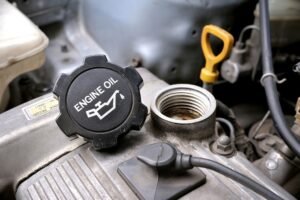
Application of the Flush Agent: Park on a level surface, engage the parking brake, and turn off the engine. Open the hood and locate the oil filler cap. Pour the entire contents of the engine flush chemical into the engine. Replace the cap securely.
The Critical Circulation Phase: Start the engine and let it idle only. Do not rev the engine. Idling ensures oil pressure is sufficient to circulate the chemical mixture throughout the entire lubrication system without creating excessive foaming or pressure. Adhere strictly to the manufacturer’s recommended idle time, typically between 5 to 15 minutes. During this time, the chemical solvency agents work to dissolve sludge and varnish.
Complete Draining and Filtration: After the idle period, turn off the engine. Place the drain pan under the oil drain plug. Carefully remove the plug and allow the old oil to drain for at least 15-20 minutes to ensure all the suspended contaminants are removed. While the oil drains, remove the old oil filter. Before installing the new filter, apply a thin film of new oil to its rubber gasket to ensure a perfect seal.
Introduction of Fresh Lubrication: Reinstall the drain plug, taking care not to over-tighten it. Using a funnel, pour in the new engine oil. Check the oil level with the dipstick, ensuring it is between the “MIN” and “MAX” marks.
Post-Service Verification: Start the engine and let it run for a minute. This allows the new oil to fill the filter and circulate. Inspect carefully around the drain plug and oil filter for any signs of leakage. Turn off the engine, wait a minute for the oil to settle, and check the dipstick again, topping up if necessary.
Like any mechanical procedure, an engine flush has its advocates and detractors. A balanced view is essential.
Advantages (Pros):
Preventative Maintenance: Proactively cleans the engine, preventing major issues down the line.
Performance Restoration: Can restore lost power, smoothness, and fuel efficiency.
Extended Engine Life: Reduces wear on critical components, promoting longevity.
Improved Oil Efficiency: Ensures new oil works effectively for its full service interval.
Cooling Enhancement: A significant benefit for high-temperature regions like Sudan.
Disadvantages (Cons & Risks):
Risk to Neglected Engines: In severely sludged engines that have been poorly maintained, large chunks of dislodged sludge can block critical oil passages, leading to immediate and catastrophic oil starvation. This is the single biggest risk.
Potential for Seal Leaks: In older, high-mileage engines, sludge may have been plugging small leaks around worn seals. Removing the sludge can expose these weaknesses, leading to new oil leaks.
Cost: It adds to the cost of a routine oil change (price of the flush chemical).
Not Always Necessary: For an engine that has received regular, high-quality oil changes, a flush may offer negligible benefits.
It’s important to understand how an engine flush compares to other cleaning methods.
| Feature | Chemical Engine Flush | Mechanic’s Manual Cleaning | “Engine Clean” Oil Additives |
|---|---|---|---|
| Process | Chemical solvency added to old oil before a change. | Physical disassembly and cleaning by a professional. | Detergent additives mixed with oil for a full service interval. |
| Effectiveness | High for moderate sludge; can reach entire oil system. | The most thorough and effective method. | Mild; designed for maintenance, not remediation. |
| Cost | Low to Moderate (cost of chemical). | Very High (labor-intensive). | Low (cost of additive). |
| Time / Convenience | Quick; adds 15-20 mins to an oil change. | Very time-consuming; requires days in a workshop. | No extra time; added during oil change. |
| Risk Level | Moderate (risk of dislodging large deposits). | Low when done correctly (no chemical risks). | Very Low (gentle, continuous action). |
| Ideal Use Case | Periodic preventative maintenance for averagely maintained engines. | Severely neglected engines where a chemical flush is too risky. | Regular maintenance additive for engines with a good service history. |
For most Sudanese drivers with reasonably maintained vehicles, the chemical engine flush offers the best balance of effectiveness, convenience, and cost.
The decision to perform an engine flush should be informed.
Frequency: For typical driving conditions in Sudan, a flush every 30,000 to 50,000 kilometers (or every 3-4 oil changes) is a prudent interval.
Contraindications: Do not perform a flush if your engine exhibits signs of severe neglect, such as a persistent low oil pressure warning, loud knocking sounds, or if it has over 200,000 kilometers with no prior flush history. In these cases, consult a professional mechanic.
Product Selection: Always use high-quality products from reputable manufacturers. The advanced formulations from companies like Ecol Lubricants are specifically engineered to handle severe conditions, making them a reliable choice for ensuring the flush is both effective and safe for your engine.
In the challenging automotive environment of Sudan, an engine flush is far more than a simple additive; it is a strategic maintenance procedure that safeguards your vehicle’s most vital and expensive component. By understanding the science behind sludge, the meticulous process of flushing, and a balanced view of its pros and cons, you can make a confident, informed decision. When performed correctly and periodically, an engine flush is a wise investment that pays dividends in enhanced performance, improved fuel economy, and, most importantly, the long-term reliability of your vehicle on the demanding roads of Sudan.

Gear Oil in Sudan: A Complete Guide to Types, Grades, and Applications Discover More In the demanding and diverse climate of Sudan, from the arid
What Does Transmission Fluid In Sudan Mean and Is It Necessary? A Complete Guide Discover More For any vehicle owner or fleet operator in Sudan,
How to Choose the Most Durable Diesel Engine Oil for Sudan Discover More Introduction: The Critical Role of Specialized Lubrication in Sudan’s Harsh Environment In

Best Hydraulic Oils Sudan Construction Equipment: Powering Cranes and Excavators Discover More Sudan’s construction landscape is a dynamic arena of progress, where the relentless rhythm

Best Fuel Injector Cleaner for Sudanese Petrol – AutoCare Guide Discover More At AutoCare, we understand the heart of your vehicle—literally. Every sputter, every hesitant

Definitive Guide to Group III Base Oil Specifications in Sudan Discover More In the heart of Africa’s industrial and automotive landscape, Sudan’s lubricant market is

Guide to Premium Base Oil Group II in Sudan: Specifications, Applications & Benefits Discover More In the heart of Sudan’s burgeoning industrial and automotive sectors—from

Guide to Sourcing BASE OIL GROUP I in Sudan – A complete Guide Discover More In the heart of Sudan’s evolving industrial and automotive sectors